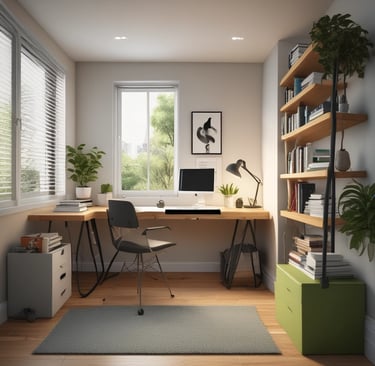
Working From Home With Kids: Holiday Survival Guide
GUIDES
2/4/20263 min read
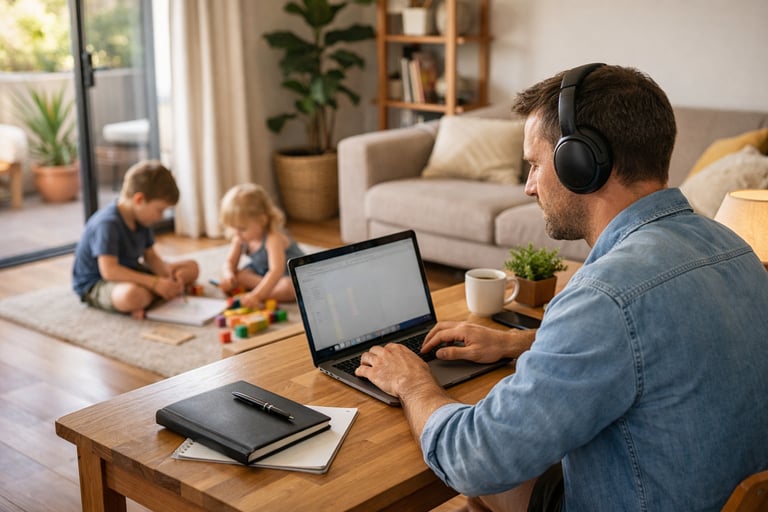
Deadlines on the laptop. Lego on the floor.
Real-life work-from-home balance in action.
School holidays.
You’ve got deadlines.
They’ve got energy.
If you’re working from home with toddlers, primary school kids, or a mix of both, it can feel like you’re constantly switching between Team calls and snack duty.
The good news? You don’t need a perfect system. You need a realistic one.
This guide keeps it practical, light, and doable - especially for Australian families navigating long summer breaks or mid-year holidays.
1. Reset Expectations (For Everyone)
Before we talk tools and tactics, here’s the truth:
You will not have a “normal” work week.
Instead of aiming for eight uninterrupted hours, aim for:
2–4 focused blocks
Clear priorities
Lower standards on non-essential tasks
If you work hybrid, consider scheduling your most demanding tasks on office days and lighter admin during home days with kids around.
Small mindset shift:
You’re not failing at work. You’re adapting to a season.
2. Create “Zones”, Not Separate Rooms
You don’t need a dedicated home office to survive holidays, especially in small apartments or rentals.
You need defined zones.
Work Zone
Desk or table that’s just for work
Headphones ready
Laptop closed when not working
Kid Zone
Mat, small table, or play corner near you
Easy-access activity box
Floor space for building / drawing
Keeping zones simple prevents your home from feeling chaotic.


3. Use Headphones as a Boundary Tool
Noise is the biggest stress trigger during school holidays.
A good pair of noise-cancelling headphones isn’t just about sound... it’s about focus and signalling.
Why headphones matter:
Reduce background noise during calls
Help you concentrate during short deep-work blocks
Visually signal to kids: “Mum/Dad is working”
Pro tip:
Teach kids that headphones on = quiet questions only (unless emergency).
4. Work in Sprints (Not Long Blocks)
Forget 3-hour deep work sessions.
Try:
45-minute sprint
10-minute reset (snacks, toilet break, quick play)
Repeat
For toddlers, align sprints with:
Nap time
Screen time
Independent play
For primary kids:
“Quiet time challenge”
Activity timer games
Audiobooks
Short, defined blocks feel achievable and reduce frustration when interrupted.
5. Build a Holiday Activity Rotation Box
Decision fatigue is real, especially when you’re mid-email and someone says, “I’m bored.”
Create 5–7 simple rotating activities:
Drawing pack (fresh paper = magic)
Lego or blocks
Puzzles
Sticker books
Craft box
Audiobooks (via tablet or speaker)
Holiday workbook (light, not school-heavy)
Keep the activity sets out of sight and rotate daily. Novelty buys you time.
6. Embrace Strategic Screen Time (Without Guilt)
Let’s be realistic. Screens will happen.
The key is intention:
Use screens during meetings
Use them for structured periods
Choose longer-form content over constant switching
Audiobooks and kids’ podcasts are brilliant because they entertain without locking kids to a screen.
You’re not “ruining them.” You’re surviving school holidays while earning a living.
7. Keep Your Workspace Visually Calm
When the house gets loud, visual clutter amplifies stress.
Keep your desk:
Clear except essentials
One lamp
One notebook
Headphones
Water bottle
Even if the rest of the house looks lived-in, your desk should feel calm.
It acts as your mental reset point.
8. Plan “Connection Blocks”
If kids feel ignored all day, they’ll interrupt more.
Instead, build in:
15 minutes before work
10-minute snack break
20-minute afternoon reset
Full attention during short bursts reduces constant micro-interruptions.
Quality beats quantity.
9. Communicate With Your Team
If you work remotely, transparency helps:
Block calendar for kid-heavy times
Avoid back-to-back meetings
Be clear about availability windows
Most workplaces understand school holidays, especially in Australia and New Zealand where breaks are long and structured.
You don’t need to overshare. Just set expectations.
10. Protect Your Evenings
When work bleeds into night because of interruptions, burnout creeps in.
Try:
One defined “catch-up” window
Not the entire evening
Shut laptop physically when done
You’re a parent and a professional... not a 24/7 machine.
Simple Tools That Make It Easier
Practical helpers for holiday WFH:
Noise-cancelling headphones
Clip-on desk light (if kids use main lighting areas)
Large desk mat (creates visual boundary)
Storage box for kid activities
Desk organiser to reduce clutter
You don’t need a full home office upgrade. Small tweaks make a big difference.
If You Have Toddlers Specifically
Lower the bar even further.
Work during:
Naps
Early mornings
Evenings (short blocks only)
And accept that:
Some days are survival days.
That’s okay.
Final Reassurance
Working from home with kids on holidays isn’t about perfection.
It’s about:
Protecting focus where you can
Accepting interruptions
Reducing chaos visually
Being flexible
You won’t remember the messy weeks.
You will remember that you made it work.
And that’s more than enough.
This article is intended as general guidance. Always choose equipment based on your personal needs, space, and budget.
Work and life don’t always sit in neat boxes - and that's ok.
Study Space Collective
Simple guides and real reviews for better study and work-from-home spaces across Australia and New Zealand.
Contact