How to Set Up for WFH in a Small Space
GUIDES
2/4/20263 min read
A work-from-home setup that helps you focus — and switch off after.
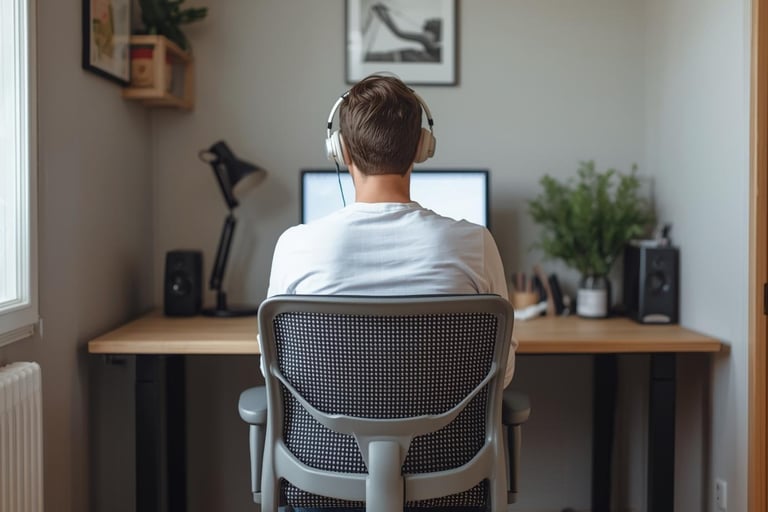
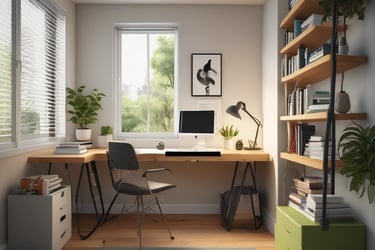
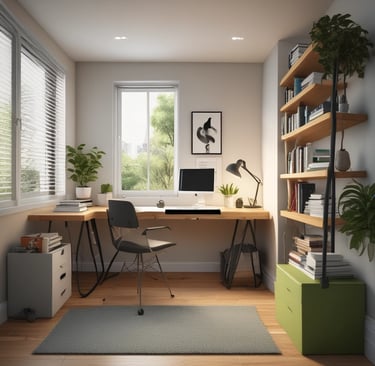
Working from home in a small apartment can feel like a constant compromise. There’s limited space, shared living areas, noise, and often no clear boundary between work and the rest of your life. A productive setup isn’t about creating a picture-perfect “home office”... it’s about designing a space that supports focus during work hours and lets you properly switch off afterwards.
This guide is the work-from-home pillar article for Study Space HQ. It focuses on small-space, rental-friendly solutions that work in Australian apartments, units, and share houses.
The goal is simple: help you work well without letting work take over your home.
Start with the right mindset (this matters more than furniture)
In a small apartment, you don’t get the luxury of separating rooms. Instead, productivity comes from clear intention and boundaries, not size.
Before buying anything, decide:
Where work starts and ends
What needs to stay visible
What should disappear after hours
A productive work-from-home setup supports your job and your wellbeing. If it makes your whole home feel like an office, it’s not working.
Step 1: Choose the least disruptive spot for your desk
The “best” place for a desk is usually the spot that causes the least friction, not the most light or space.
Practical desk placement options
Against a wall in a bedroom (if noise is an issue)
In a quiet corner of the living room
Near a window, but not blocking walkways
Avoid:
Facing the bed if possible (it blurs work/rest boundaries)
High-traffic areas where people constantly pass behind you
Blocking storage or doors in tight spaces
Even a small shift in desk position can noticeably improve focus.
Step 2: Choose a desk that fits the space - not the fantasy
In small apartments, oversized desks quickly dominate the room and make everything feel cramped.
What actually works for small spaces
Narrow or shallow desks (around 50–60 cm deep)
Desks with clear leg space so chairs can fully tuck in
Simple designs without bulky drawers
If you work hybrid or don’t need a desk every day, foldable or wall-leaning desks can be a good compromise.
Best desks for working from home in small spaces under $300
Step 3: Use a chair that supports long days - without visual bulk
A productive setup needs a chair that supports your body, but in a small apartment, visual weight matters too.
Chair priorities for WFH in small rooms
Adjustable height
Slim profile without oversized armrests
Ability to tuck fully under the desk
You don’t need a full corporate office chair. Many compact ergonomic chairs provide enough support without overwhelming the room.
Best desk chairs for small rooms under $200
Step 4: Get lighting right (without turning your home into an office)
Lighting has a big impact on energy and focus, especially if you’re working early mornings or evenings.
Practical lighting tips
Use a desk lamp instead of relying on overhead lights
Choose adjustable brightness so the space can soften after work
Position lighting to avoid screen glare
Good lighting should support work hours and transition easily back to a relaxed home environment.
Best desk lighting for working from home in small spaces
Step 5: Manage noise in shared or dense living environments
Noise is one of the biggest productivity killers in apartments and share houses.
Simple, realistic noise strategies
Place your desk away from shared walls where possible
Use soft furnishings (rugs, curtains) to absorb sound
Headphones for calls and focused work blocks
Noise management doesn’t have to be perfect, it just needs to reduce interruptions enough to maintain flow.
Best headphones for working from home in noisy houses under $300
Step 6: Keep work storage minimal and intentional
In small apartments, storage should help you hide work when it’s not needed.
Smart storage ideas
One drawer or container for daily work items
Vertical storage instead of floor units
Portable storage you can move or close at the end of the day
Avoid filling the space with office supplies “just in case”. Most people use far less than they think.
Work-from-home storage ideas for small rooms
Step 7: Create mental separation between work and life
This is the most important step and the most overlooked.
When your desk is always visible, your brain never fully switches off. You need cues that signal when work starts and ends.
Simple separation strategies
Start and end the day with a short desk reset
Change lighting after work hours
Close the laptop and put it away if possible
Use a desk mat or lamp only during work hours
These small rituals matter more than square metres.
Common mistakes to avoid
Trying to copy large “home office” setups
Buying too much furniture upfront
Letting work spill into every corner of the apartment
Ignoring comfort because the space is small
A productive work-from-home setup should feel supportive, not overwhelming.
Practical summary
Setting up a productive work-from-home space in a small apartment isn’t about creating a perfect office. It’s about making thoughtful choices that respect limited space, shared living, and your need to switch off.
Focus on:
A well-placed, right-sized desk
A supportive but compact chair
Good lighting and noise control
Minimal storage
Clear mental boundaries between work and home
When your setup supports both focus and rest, working from home becomes far more sustainable... even in a small space.
This article is intended as general guidance. Always choose equipment based on your personal needs, space, and budget.
Study Space Collective
Simple guides and real reviews for better study and work-from-home spaces across Australia and New Zealand.
Contact