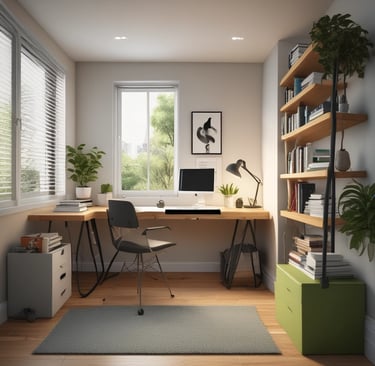
Uni or Dorm Room Study Setup: A Practical Checklist for Small Spaces
GUIDES
2/4/20264 min read
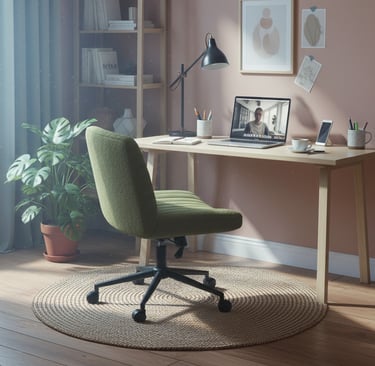
A cozy and inviting study nook becomes your sanctuary.
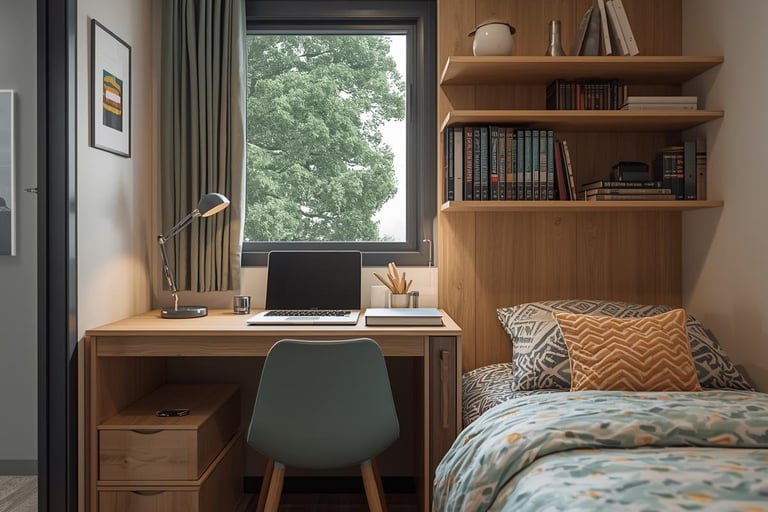
Setting up a uni or dorm room study setup can feel overwhelming, especially if you’re moving into a small room for the first time. Between limited space, shared living, noise, and a tight budget, it’s easy to overbuy things that don’t actually help you study.
This guide is designed to make it simpler. It walks through what you actually need for a functional study setup in a dorm room or small rental, what’s optional, and what you can safely skip. The focus is on calm, rental-friendly solutions that work in Australian and New Zealand student accommodation.
As part of our ongoing transparency at Study Space HQ, we've included a few suggested product ideas available at Amazon (Australia). For our full affiliate statement click here.
Start with the basics (before buying anything)
Before shopping, take five minutes to look at the room you have.
Where is the only practical spot for a desk?
Is there natural light during the day?
How many power points are nearby?
Will the desk be in your bedroom, or a shared space?
Answering these questions first prevents buying furniture or accessories that don’t fit or don’t get used.
The essentials: what every uni or dorm study setup needs
These are the non-negotiables. If you have these right, most study spaces work well enough.
1. A compact desk that fits the room
Most dorm rooms are going to come with a pre-fitted desk, but if not, here's what to look for:
Narrow or shallow depth (around 45–60 cm)
Enough surface for a laptop, notebook, and lamp
Space underneath for your chair to fully tuck in
Why this matters
Small rooms feel cluttered fast. A desk that fits the space properly keeps walkways clear and makes the room feel calmer.
See our article on Best Desks for Small Spaces under $300.
2. A comfortable, space-friendly chair
What to look for:
Simple design without bulky arms
Adjustable height if possible
Chair that slides fully under the desk
Why this matters
You don’t need a huge office chair, but you do need something that supports longer study sessions without taking over the room.
See our article on Best Desk Chairs for Small Spaces under $200.
3. A reliable desk light
What to look for:
Adjustable brightness
Small base or clamp design
Neutral or warm light for evening study
Why this matters
Dorm rooms often have poor overhead lighting. A focused desk light reduces eye strain and helps separate “study time” from the rest of the room.
See our article on Best Desk Lighting for Studying.
4. Power access and cable control
What to look for
Short extension lead if outlets are awkwardly placed
Simple cable clips or ties
Why this matters
Messy cables add visual clutter and make desks feel chaotic, especially in small spaces.
Storage essentials (only what you’ll actually use)
Important... Storage should support your study habits, not turn your desk into a pile of containers.
5. Vertical or under-desk storage
Good options
Slim drawer units
Small shelving that fits above or beside the desk
Storage boxes that slide under the desk
Why this works
Using vertical space or hidden areas keeps the desktop clear without needing a bigger desk.
6. One simple organiser
What to choose
A single pen tray or small desk organiser
Something you can clean out quickly
What to avoid
Multiple organisers for “just in case” items. They usually end up full of clutter.
Helpful but optional items (only if they suit your space)
These are useful in the right room, but not essential for every uni or dorm room study setup. Also, consider an option to have your laptop set-up when your in your bed.
7. Monitor or laptop stand
Useful if:
You study for long hours
Your screen sits too low
Skip it if:
Your desk is very shallow
You move your setup often
8. Noise management tools
Helpful in share houses or busy dorms.
Options include:
Over-ear or on-ear headphones
White noise or ambient sound apps
Soft furnishings (a rug or curtain) to absorb sound
Avoid expensive soundproofing products. They rarely work in rentals.
9. A separate keyboard and mouse
Useful and ergonomically better if:
You're doing a lot of essay research and writing
Spending long hours on your laptop at your desk
Not essential, but your body will thank you.
What you can skip (and save money)
Many students overbuy during move-in week. These items often end up unused.
Large filing systems
Decorative desk accessories with no function
Multiple lamps
Extra storage “just in case”
Oversized chairs or desks that dominate the room
If you’re unsure, wait two weeks into semester. You’ll quickly see what you actually need.
Setting up the desk itself (simple and effective)
Once you have the essentials:
Keep the centre of the desk clear
Place the lamp on the opposite side of your writing hand
Store daily items within arm’s reach
Everything else goes off the desk
This layout supports focus and makes even a small desk feel usable.
A quick note for first-year students
If this is your first time living away from home, it’s normal to feel pressure to “get it right” straight away. You don’t need a perfect setup from day one. A good uni or dorm room study setup grows with you as your study habits settle.
Start simple. Adjust as you go.
Practical summary
A functional uni or dorm room study setup doesn’t require a lot of gear. Focus on:
A desk that fits the room
A chair that doesn’t overwhelm the space
Good lighting and basic power access
Just enough storage to stay organised
Avoid overbuying, keep things rental-safe, and let your setup evolve with your routine. Calm, simple spaces are easier to study in — especially when space is limited.
This article is intended as general guidance. Always choose equipment based on your personal needs, space, and budget.


Study Space Collective
Simple guides and real reviews for better study and work-from-home spaces across Australia and New Zealand.
Contact