7 Simple Habits That Help You Stay Well Working From Home
GUIDES
2/4/20263 min read
Design your day — don’t let it design you.


Working from home can feel like freedom... until it doesn’t.
No commute. Flexible hours. Your own coffee.
But also: longer days, blurred boundaries, and a desk that’s sometimes just the dining table.
If you work from home in Australia or New Zealand, whether full-time or hybrid, staying productive is only half the equation. The other half is staying well.
Here are 7 practical habits that will help you maintain balance during your work-from-home day without turning your life into a productivity experiment.
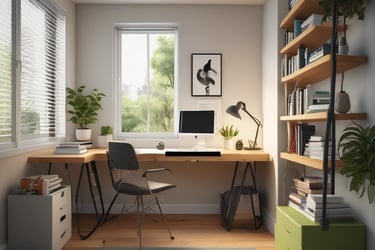
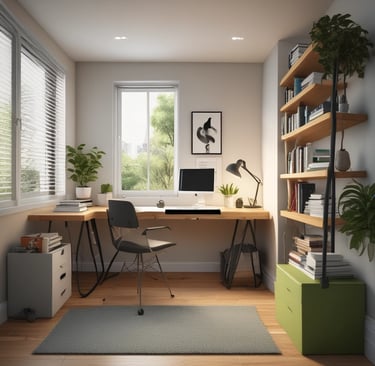
1. Create a Clear Work Zone (Even in a Small Space)
Your brain responds to environment.
If you work from the couch in the morning, the bed at lunch, and the kitchen bench in the afternoon, your focus and energy will feel scattered.
You don’t need a full home office. You need a defined work zone.
What helps:
A small desk or table used only for work
A comfortable chair at the right height
One good light source (natural or warm task lighting)
Minimal clutter in your direct line of sight
If you’re in a rental or apartment, position your desk near a window for natural light. It improves mood and reduces that late-afternoon slump.
Why this matters:
A consistent physical space helps your brain switch into “work mode” faster and switch out of it later.
Browse our reviews on budget desks, desk chairs, headphones and lights.
How to set-up a productive work environment in a small space
2. Start the Day With a “Commute” Ritual
When you remove the commute, you also remove the psychological transition into work.
That’s why many remote workers feel like they’re “already behind” by 8:30am.
Instead of rolling straight from bed to inbox, create a 10–15 minute buffer.
Examples:
A short walk around the block
Coffee outside in the morning light
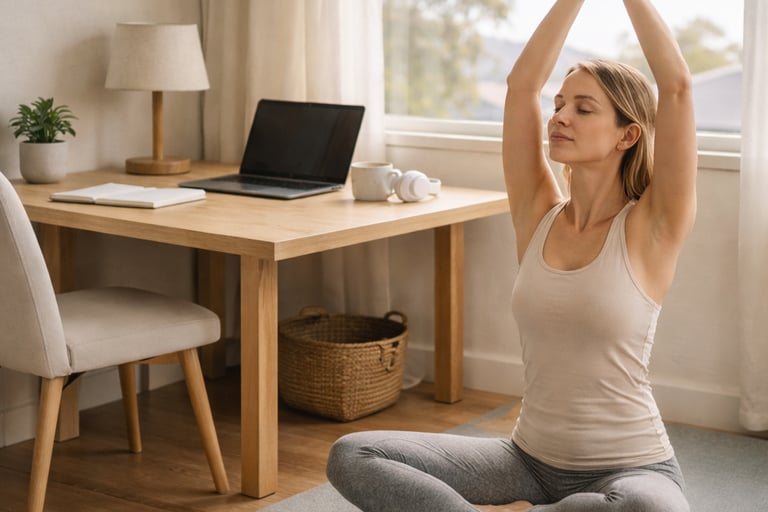
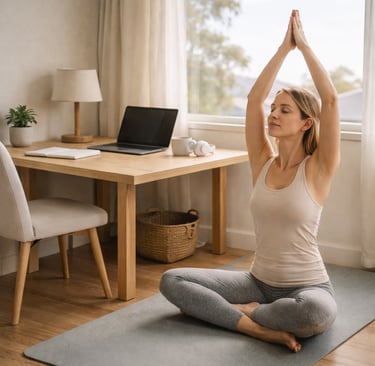
Stretching or mobility routine
Journalling your top three tasks for the day
This small ritual signals: Work is starting now.
It improves focus and reduces the mental drag that comes from blurred mornings.
3. Work in Blocks... Not a Continuous Blur
At home, it’s easy to sit for hours without realising it.
Instead of working in one long stretch, try structured blocks:
45–60 minutes focused work
5–10 minute reset break
Use breaks to:
Stand and move
Refill water
Step outside
Rest your eyes from screens
Avoid “fake breaks” (scrolling social media at your desk). They don’t reset your nervous system.
Small shift, big difference:
Movement every hour reduces fatigue and improves mental clarity, especially in the afternoon.
4. Design Your Desk for Calm, Not Stimulation
Your workspace affects your nervous system more than you realise.
Too much visual noise - piles of paper, tangled cables, bright overhead lighting - creates low-level stress.
Aim for:
Neutral tones
One plant or natural element
A single task light instead of harsh ceiling lighting
Clear desktop space (keep only daily essentials)
You don’t need aesthetic perfection.
You need visual simplicity.
If your workspace feels calm, your thinking tends to follow.
5. Protect Your Energy With Boundaries
Working from home often leads to “just one more email”.
Because the office is right there, it’s tempting to keep going.
Instead:
Set a clear finish time
Close your laptop physically (don’t just minimise)
Put work materials out of sight
Change rooms or go outside briefly
If you live with family, communicate your work hours clearly and your finish time.
The key is creating a hard edge to the day.
Without one, work expands into the evening and quietly erodes your recovery time.
6. Separate Work Stress From Home Life
When you work in the same space you relax in, stress can linger.
A simple reset ritual helps:
Five minutes of stretching
A short walk
A shower
Playing music while cooking dinner
This signals to your brain: Work has ended.
If you skip this step, your body often stays in low-level “work mode” long after the laptop is closed.
7. Build Social Contact Into Your Week
Remote work can become isolating, especially in small apartments.
Balance doesn’t just mean productivity and rest. It also means connection.
Ideas:
Schedule one in-person coffee per week
Take calls while walking outdoors
Use a coworking space occasionally
Join a local gym or sports club
Even one or two social touchpoints per week can lift mood and prevent that flat mid-week feeling.
A Balanced Work-From-Home Day (Simple Framework)
If you prefer structure, here’s a calm daily flow:
Morning
Light movement
Defined start ritual
Deep work block
Midday
Break away from desk
Short walk or outdoor time
Light admin tasks
Afternoon
Second focused block
Clear shutdown routine
Evening
No laptop in relaxation zones
Intentional unwind activity
You don’t need to optimise every minute.
You just need gentle structure.
Final Thought...
Working from home isn’t automatically better or worse than office life.
It’s simply more self-directed.
When you design your space intentionally, move regularly, and create clear boundaries, you protect both productivity and wellbeing.
Small habits + repeated daily = are what keep remote work sustainable.
And sustainable is the goal.
This article is intended as general guidance. Always choose equipment based on your personal needs, space, and budget.
Balance isn’t about doing less... it’s about building space to breathe into your day.
Study Space Collective
Simple guides and real reviews for better study and work-from-home spaces across Australia and New Zealand.
Contact